
%20(9).png)

What’s in a name? A question that has vexed humanity since Romeo and Juliet gets more complicated in the corporate world.
Often, what IS in a name is some combination of inherited happenstance, the fine print of past acquisitions or the result of an executive’s emotional attachment. Especially in organizations with large portfolios, growth often results in a variety of names that compete for attention and fail to drive strategic objectives.
All of this means that navigating naming for has the potential to become a fraught exercise.
If this sounds familiar, stick with us. With the right guardrails and considerations in mind, naming doesn’t have to be so scary. In fact, the right name can unify your brand, simplify customer journeys, and signal strategic intent—turning a name into one of your most powerful branding tools. But, where to begin?
Start with standards
To start, naming is far less subjective (and therefore significantly easier) when you establish clear brand standards and governance processes that inform the development of new names—including what can receive a new name at all. Clear naming criteria can be the difference between a navigable portfolio and a wild west-style proliferation of names and acronyms.
For example, we helped a global manufacturer build clear criteria both for what new offerings can be named and how they should be named for consistency’s sake. The new process asked product engineers to make the case for naming their new offering, giving the Brand Team the ability to review and shape the creation of new names alongside product teams.
Connect to value
Names are a critical expression of any offering’s value proposition. Names need to both convey what the offer provides and avoid any associations with the value propositions of other offerings—to maximize brand building potential and minimize confusion.
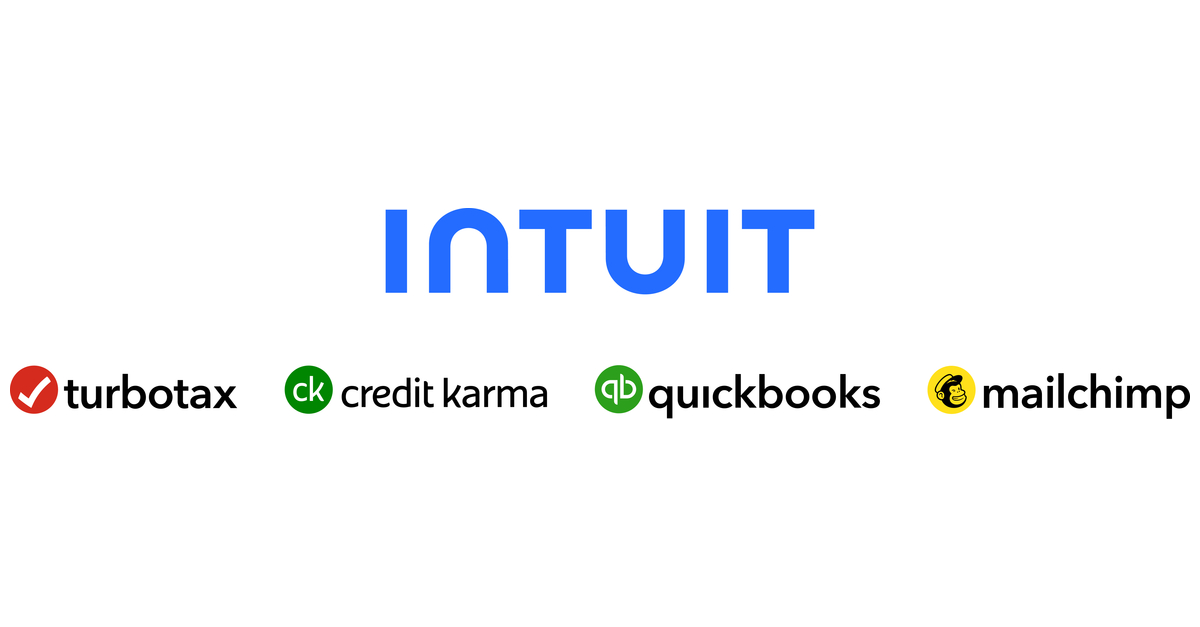
Intuit has done a nice job of ensuring its core products use their names to convey distinctive value. The convention of a compound name that includes one or more descriptive terms helps the audience quickly understand what they might receive from the product.
As it has grown by acquisition, Intuit has folded some acquired names and kept others whose names fit this convention, resulting in a clear portfolio with products targeted to specific needs.
Leverage relationships
The ways brands relate to one another is an important layer in naming. Should we incorporate existing names or the master brand as part of the new offering’s name, or should we create more distinction? This should be the first question when naming a new offering in a large portfolio.
If the new offering serves an audience who already knows and respects an existing brand, then you might incorporate that name. But in other scenarios you may want to create more distinction.
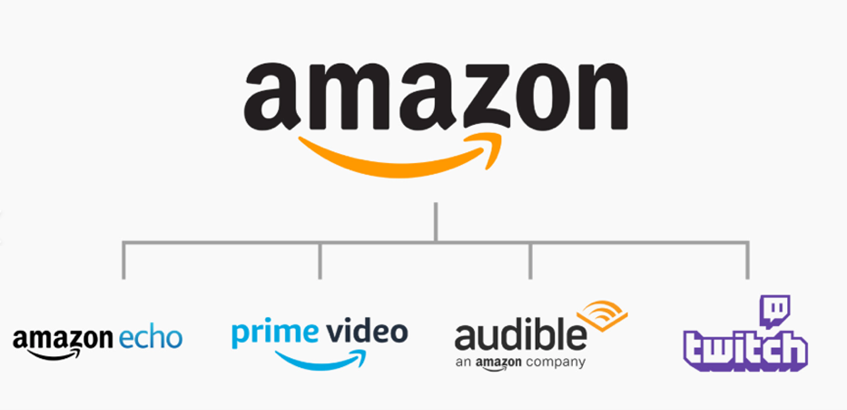
Amazon leverages naming in a variety of ways depending on the audience. Adding an endorsement is common with recent acquisitions, which often disappear within a few years.
Other products, like Prime and Kindle, become so ubiquitous that they eventually drop the “Amazon” name entirely and signal a connection to Amazon through visual cues (but more on that another day!)
Name with strategy in mind
Naming for a new offering or brand isn’t just about coming up with catchy-sounding words on a whiteboard. When done well, naming is a mix of the analytical and creative, being mindful of the contexts in which the name will exist. Ultimately, effective naming approaches go hand-in-hand with clear brand and portfolio architecture.
If you can develop a name with these considerations in mind, you can use it to support meaningful growth—turning it into a powerful asset that conveys value and creates clarity.
And of course, if you need help untangling a naming mess, don't hesitate to give Joe a shout.


